
Shop Water Treatment Products
Sedalia, MO Water Softeners & Water Filters
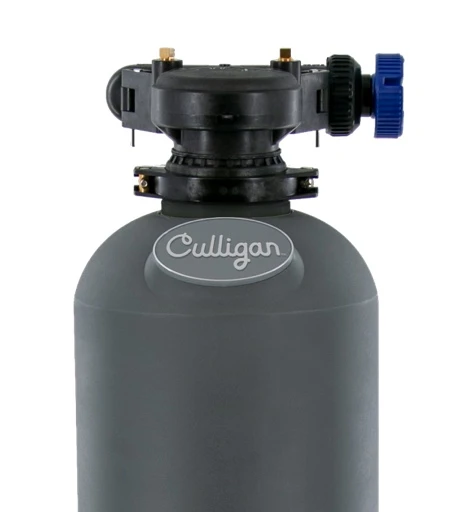
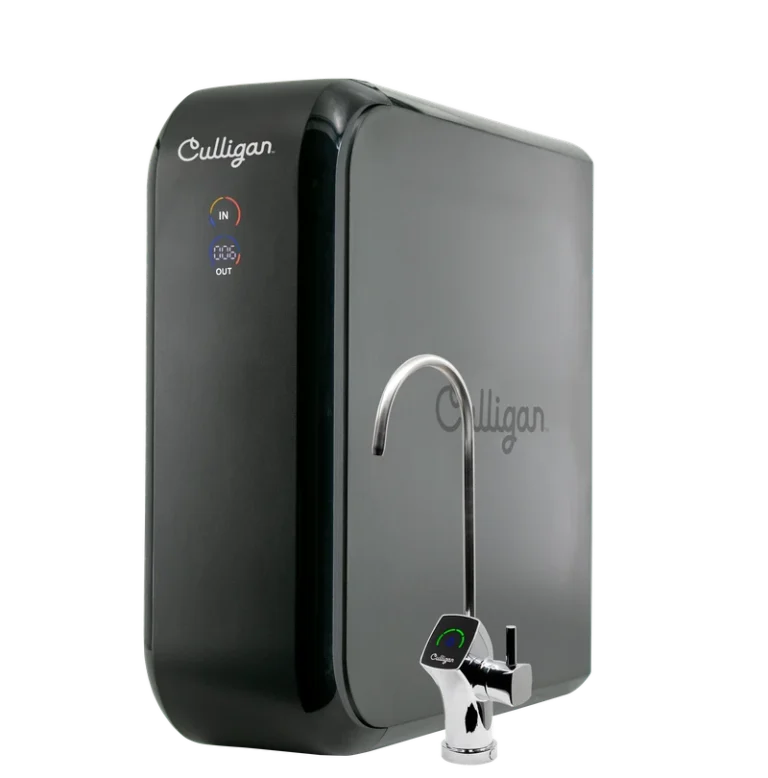

Deals
Don’t Miss Out On Special Offers For Sedalia, Missouri Residential Water Treatment Products
- Water Softeners
- Reverse Osmosis Filters
- Whole House Water Filters
Are There Contaminants In Sedalia, Missouri Tap Water?
Get a FREE Water Test!
- No mailing — fast results!
- Test any tap in your home
- NEW flexible sample pickup options

FAQ
Additional Information On Sedalia, MO Tap Water
Is Sedalia tap water safe to drink?
Yes—Sedalia’s tap water meets federal and state drinking water standards based on the city’s required monitoring. However, this doesn’t mean your water is contaminant free. Sedalia’s report still shows regulated contaminants and byproducts of disinfection, plus naturally occurring minerals that can affect how water tastes, smells, and behaves in your home. Therefore, many residents still choose water treatment to cut down on hard water scale, improve taste, and add another layer of confidence at the tap.
Is Sedalia tap water hard?
Yes. Sedalia’s optional monitoring shows hardness (as CaCO₃) up to 278 mg/L, which falls in the hard/very hard range. Hard water can leave scale on fixtures, reduce soap lather, spot glassware, and shorten the life of water-using appliances over time.
Is there PFAS in Sedalia tap water?
Sedalia’s 2024 report page you shared does not list PFAS results in the contaminants tables shown. If PFAS is a concern, the most practical approach is a targeted test (or a water analysis) and then matching filtration to the results—because PFAS testing and reporting can vary by system and monitoring requirements.
Does Sedalia tap water have fluoride?
Yes. Sedalia’s report shows fluoride up to 0.6 ppm, which is below the EPA maximum contaminant level (4.0 ppm). Fluoride can occur naturally and/or be added depending on the system.
Where does Sedalia get its tap water?
Sedalia’s drinking water comes from groundwater wells. The report lists multiple wells as sources (including Wells #7, #9, #11–#19).
How is Sedalia water treated?
The report section you shared doesn’t spell out each treatment step, but Sedalia’s data confirms the city uses a disinfection process because it monitors disinfection byproducts like TTHMs and HAA5. Those byproducts can form when disinfectant reacts with natural material in water, and some homeowners choose additional filtration to further reduce them at the tap.
Does Sedalia have TTHMs or HAA5 in its water?
Yes. Sedalia’s report includes:
- HAA5 with a highest LRAA reported as 1 ppb
- TTHMs with a highest LRAA reported as 3 ppb (with sample point results shown around 3.2–3.43 ppb)
Even when these are well below legal limits, some residents still prefer treatment that reduces DBPs as part of improving overall drinking water quality.
Does Sedalia’s water report include lead and copper results?
Yes. Sedalia reports lead and copper testing for 2022–2024:
- Lead (90th percentile): 0 ppb
- Copper, free (90th percentile): 0.00802 ppm
- Sites over action level: 0 for both
Even with strong system-wide results, lead risk can still be influenced by older home plumbing, which is why some homeowners use point-of-use filtration as an extra safeguard.
Are there radionuclides in Sedalia’s groundwater?
Sedalia’s report includes radionuclide monitoring results, including:
- Combined radium (-226 & -228): 4 pCi/L
- Gross alpha particle activity: 7.7 pCi/L
- Radium-226: 2.1 pCi/L
- Radium-228: 1.9 pCi/L
These are naturally occurring in some groundwater sources and are monitored under drinking water rules.
What other regulated contaminants were reported for Sedalia?
Sedalia’s regulated table (from the images provided) includes results for:
- Barium (highest test result 0.243 ppm)
- Nitrate-nitrite (highest test result 0.281 ppm)
- Ethylbenzene (highest test result 2.9 ppb)
- Total xylenes (highest test result 0.0181 ppm)
- Fluoride (highest test result 0.6 ppm)
Why does Sedalia water sometimes stain fixtures or leave buildup?
Sedalia’s secondary/optional monitoring shows minerals that can contribute to common “problem water” symptoms:
- Iron up to 0.171 mg/L (can contribute to staining)
- Manganese up to 0.00583 mg/L
- TDS up to 264 mg/L (dissolved mineral content)
- pH up to 8.01
These aren’t the same as health-based regulated contaminants, but they’re often the reason people decide to treat their water for better day-to-day use.
Do I need a water softener or filter in Sedalia?
If you’re seeing scale buildup, spotting, or reduced soap performance, a water softener is usually the biggest quality-of-life upgrade for Sedalia’s hardness levels. If your priority is drinking water taste and added reduction of things like disinfection byproducts, a drinking water filter (often at the kitchen sink) is a common add-on. The “right” setup depends on what shows up in your home’s water and what you want to improve.
How does Sedalia monitor water quality?
Sedalia completes required sampling for regulated contaminants and reports the results in its annual Consumer Confidence Report, including regulated contaminants, disinfection byproducts, lead/copper, radionuclides, and select optional/secondary monitoring.
Where can I get a local tap water quality report?
You can access the most recent Clinton Tap Water Quality Report here.
Testimonials
Why Do Sedalia, Missouri
Homeowners LOVE Us?
Really happy with how everything turned out. The tech explained what was happening with our water and what the system would change. Install was clean, quick, and our water already feels better to use every day.

We had hard water buildup showing up fast and wanted a long-term fix. The team was easy to work with and the setup was straightforward. Great communication from start to finish.
Professional, on time, and no pressure. They walked us through options and helped us pick what made sense for our home. Noticeable improvement right away.


Facebook