

Why Tap Water May Smell Like Chlorine
Chlorine and chloramines are commonly used disinfectants that help remove bacteria and other microorganisms from drinking water. They play a key role in keeping Sedalia’s water supply safe as it travels through the distribution system across West Central Missouri.
Though chlorine-based disinfectants in large doses can cause health concerns, the amounts used in drinking water are carefully regulated and are not typically harmful.
One important benefit of chloramines is that they leave behind a disinfectant residual. This continues protecting water as it moves through pipes, storage tanks, and infrastructure before reaching your home.
Because Sedalia’s water travels through a large distribution system, this residual helps prevent bacterial growth, slime, and biofilm from forming inside pipes.
Water quality testing shows chloramine levels averaging around 3.23 ppm, with levels ranging from 0.64 to 5.9 ppm, which fall within regulated standards for drinking water safety.
Even at safe levels, some homeowners may notice a chlorine-like taste or odor. There is also ongoing discussion around long-term exposure to disinfection byproducts such as trihalomethanes (TTHMs), though Sedalia’s reported levels remain very low.
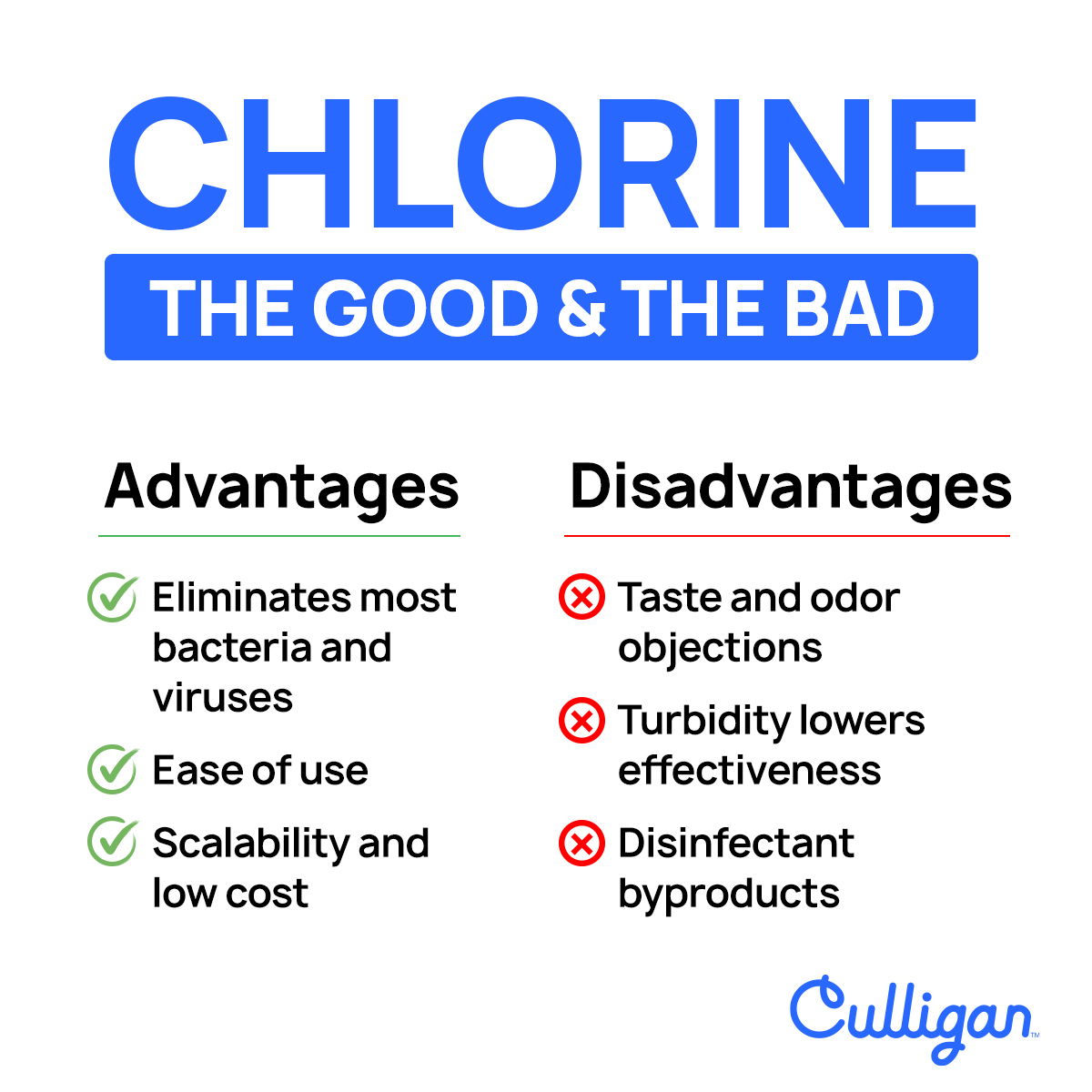
Does Sedalia’s Water Smell Like Chlorine?
In Sedalia and surrounding West Central Missouri communities, disinfectant levels can fluctuate slightly depending on seasonal conditions and system needs.
For example, warmer weather can increase biological activity in source water, which may require adjustments in disinfectant levels. This can lead to a stronger taste or smell at certain times of the year.
You may notice chlorine or chloramine more after:
- Heavy rainfall or environmental changes
- System maintenance or flushing
- Temporary adjustments in disinfectant dosing
Even though these changes are part of maintaining safe drinking water, they can still impact taste and odor at the tap.
Chlorines vs. Chloramines: What’s The Difference?
Chloramine is a chemical variant of chlorine that contains ammonia. It is generally safe to drink and use around the home in the same way traditional, chlorine-treated tap water would be.
Cities have commonly used both chlorine and chloramine chemicals to treat municipal drinking water since the early 1920s and 30s. Chlorine became widely used during World War I when ammonia shortages reduced the availability of chloramine. As a result, chlorine remains common, but chloramine is seeing increasing adoption, especially in densely populated areas.
Some populations, specifically individuals on dialysis treatment and those with respiratory issues, may be sensitive to chloramines.
If you or your family members fall into either of these categories, it’s a good idea to check with your local drinking water provider to see if a switch is coming to your area. Chloramine is also harmful for fish and aquatic animals, so you’ll want to pay close attention if you’re used to supplementing your aquarium with tap water — or consider a chloramine filter.
Why Is Chloramine Added To Water?
Chloramine is a disinfectant formed by combining chlorine with ammonia. Many water systems, including Sedalia’s, use chloramines because they last longer in the distribution system and produce fewer strong odors compared to free chlorine.
While some systems use free chlorine, Sedalia primarily relies on chloramines for disinfection.
Both chlorine and chloramine are considered safe at regulated levels. However, some individuals may be more sensitive to these disinfectants, including:
- People with respiratory sensitivities
- Individuals undergoing dialysis
- Aquarium owners, since chloramine can affect fish
Understanding which disinfectant your water system uses can help determine the best filtration approach for your home.
How To Remove Chloramine From Your Tap Water
If you notice a chlorine taste or smell in your water, you are not alone. Many homeowners in Sedalia and across West Central Missouri look for ways to improve their drinking water.
There are several filtration options designed to reduce chloramine and related compounds:
- Activated carbon filters can help reduce chlorine taste and odor
- Reverse osmosis systems target chloramine, disinfection byproducts, and other dissolved contaminants
- Whole-house filtration systems treat water at the point it enters your home
Reverse osmosis systems are a strong option for drinking water, as they can reduce a wide range of substances commonly found in municipal supplies.
Solutions
Suggested Products
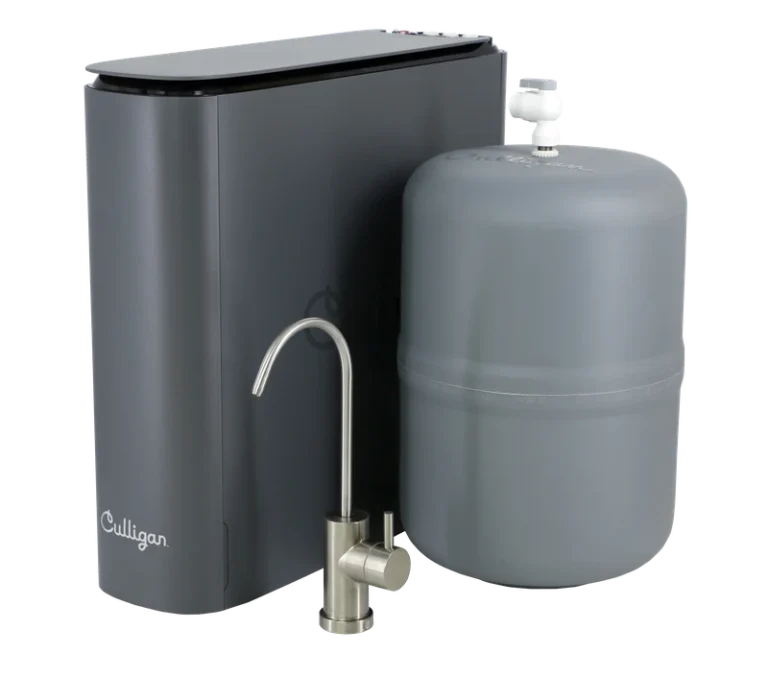
The Aquasential® Smart Reverse Osmosis Water Filter (RO)
- 7 stages of filtration and 12 filter options
- Certified for reduction of 58 contaminants
- 2-in-1 sediment and carbon filter screens out sediment and particles
- Can alert you and your dealer when service or filter replacements are needed

Aquasential™ Smart High Efficiency Whole House Water Filters
Reduce sediments in your water and contaminants that cause your water to appear, taste, and smell unpleasant. Your system can also lessen the taste and odor of chlorine, and prevent pipe damage and staining from low pH water. Additional customizations include:
- Culligan® Filtr-Cleer® Water Filters – Reduces Sediment Problems
- Culligan® Cullar® Water Filters – Reduces Taste and Odor Problems
- Culligan® Cullneu Water Filters – Reduces Acid Problems
Why Is Chloramine Added To Water?
Water utilities use chloramines to ensure drinking water remains safe from the treatment plant to your tap.
Without a disinfectant residual, water traveling through pipes could become vulnerable to contamination. Chloramines help prevent bacterial regrowth throughout the entire distribution system.
In groundwater-based systems like Sedalia’s, treatment includes disinfection along with other processes to maintain water quality before it reaches homes.
While chloramines are effective, they can react with naturally occurring organic matter to form disinfection byproducts such as:
- Trihalomethanes (TTHMs)
- Haloacetic acids (HAA5)
In Sedalia, these byproducts are monitored and remain well below regulatory limits, with TTHMs measured around 3.2–3.43 ppb and HAA5 around 1.08 ppb.
How Culligan Helps Improve Water In Sedalia
Even though Sedalia’s water meets federal and state safety standards, many homeowners still want better taste, reduced disinfectant levels, and more control over their water.
Culligan of Sedalia provides customized solutions based on your home’s specific water conditions.
Culligan of Sedalia offers:
- Reverse osmosis systems for cleaner drinking water
- Whole-home filtration to reduce chloramine and disinfection byproducts
- Free in-home water testing to identify what is in your water
With chloramine levels averaging around 3.23 ppm and trace disinfection byproducts present, a water test helps determine what is affecting your water and what improvements can be made.
Culligan of Sedalia can then recommend the right solution based on your home’s water and your preferences.

Facebook